


16 July, 2025 by Dr. Hardik Parikh
High Eye Pressure (Ocular Hypertension): Causes, Symptoms, & How to Reduce It Safely

Introduction
Ocular hypertension or high eye pressure occurs when the eyes are pressurized beyond normal levels; it can predispose a person to developing glaucoma in future if left unchecked. In the year 2026, screen time and stress will have increased with time, and therefore, understanding their causes, symptom recognition, and safe means of reducing are all essential avenues toward maintaining a healthy eye. This article is intended to be a comprehensive guide about ocular hypertension, fully illuminating in practical terms for one’s vision. Advanced diagnostics and treatments for controlling the condition can be accessed under expert eye care in Mumbai. Here are five points to learn and follow on safely relieving high eye pressure.
Causes: Fluid Imbalance And Lifestyle-related Causes
The flow of the aqueous humour inside the eye does not drain properly; consequently, intraocular pressure becomes elevated; this is ocular hypertension. General causes are genetics, whereby glaucoma in the family increases risk, and age, in which over 40 years is susceptible. Screen hours, which are rampant in 2026, are tiring for the eyes, while medicines such as steroids have the propensity to raise pressure. A bad diet, especially one high in sodium, coupled with stress, aggravates the whole situation. Advanced diagnostic tests, can be used in eye care in Mumbai to find out if any of these causes include blocked drainage channels. Knowing these triggers enables you to manage pressure and safeguard your sight.
Causes: Medical and extrinsic Triggers
Certain conditions like diabetes or high blood pressure contribute to the din of ocular pressure caused by changes in the fluid dynamics of the eye. Pressure usually increases due to sports injuries or traumas to the eye from accidents. Besides that, in 2026, pollution in the city will increase the risks if exposed to ultraviolet light without any protective eyewear. For example, some people spend the whole day outside without sunglasses, which puts strain on their eyes. It is given to measure pressure and establish the medical or environmental cause that directs treatment toward its prevention.
Symptoms: Subtle Signs to Watch Out for
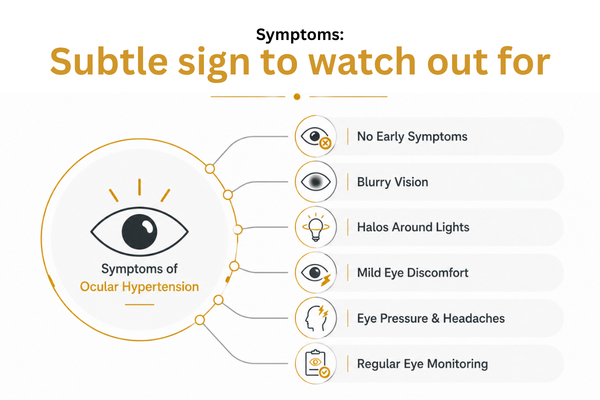
Most affected persons do not have symptoms of ocular hypertension, which earned its nicknames, such as ‘silent thief of sight’. Very few symptoms are common, such as intermittent blurry vision, little discomfort in the eye, or halos around lights, especially at night. A headache or pressure behind your eyes is possible. However, unlike glaucoma, it does not usually hurt or damage vision at the very start; therefore, those at risk must take regular checkups. Comprehensive eye exams are available through eye care in Mumbai. Subtle signs will be detected early. Monitoring symptoms will give a timely intervention to prevent progression to a more serious condition.
Safe Reduction: Medical Treatments and Drops
Eye pressures are decreased safely with medicinal drugs in most cases—mostly by prescribed eye drops, namely prostaglandin analogues or beta-blockers. These drops, recommended by specialists, are said to lower pressure by improving drainage or decreasing fluid membrane production. You will avoid side effects such as stinging by following the doctor’s prescription—typically one drop per day. In some severe cases, other more expensive and complex treatments are offered: for instance, there may be a recommendation for selective laser trabeculoplasty treatment at an affordable price. Eye care in Mumbai runs state-of-the-art facilities for treating such patients, ensuring safe but effective pressure management. Always ask an ophthalmologist before starting any medication to ensure compatibility with your health.
Safe Reduction: Lifestyle and Preventive Measures
Lifestyle changes can dramatically lower eye pressure in 2026; no more than 2-3 hours of screen time per session-a set of blue light glasses will take care of strain at affordable cost. Balanced diets should be full of leafy greens and omega-3s while limiting caffeine is still known to regulate pressure. Regular exercise, such as a 30-minute walk, promotes better blood flow; however, heavy lifting should be avoided as it has been found to raise pressure. Hydrate yourself and put on UV-protective sunglasses when you are out. Because eye care in Mumbai has consultations, it can draw a personalized lifestyle plan under which ocular hypertension would be managed safely without endangering vision.
Conclusion
Ocular pressure, whether from liquid imbalance, conditions like medical problems, or lifestyle-related factors, would often create visually subtle symptoms; hence, recognition and proper management mechanisms became crucial in 2026. Understanding the reasons, symptoms, and safety measures for reduction, such as prescribed drops or lifestyle changes, which also go a long way in protecting vision, is key. These regular eye hospital checkups in Mumbai will go a long way toward helping in early detection and tailoring out solutions specific to individuals, thereby guarding the eyepiece from possible complications. So prioritize eye health today— consult a specialist; healthy habits and quality care all contribute to safely reducing high eye pressure while keeping vision clear for years.
FAQs on High Eye Pressure (Ocular Hypertension)
1. What causes high eye pressure and how can it be reduced?
Eye pressure may increase when fluid inside the eye does not drain properly or is produced in excess. Its treatment starts with prescription eye drops used once or twice daily (it may lower pressure). If drops are not enough, SLT laser is a short outpatient procedure that improves drainage. In advanced cases, surgery may be required.
2. How is elevated eye pressure treated — what are the options?
Treatment may begin with pressure-lowering eye drops such as prostaglandins or beta-blockers. If drops do not control pressure, SLT laser is performed (usually in about 5 minutes) and can reduce pressure for 3 to 5 years. For patients who need further control, surgical options like iStent or trabeculectomy can be performed, which creates a new drainage pathway inside the eye.
3. What is ocular hypertension and how is it different from glaucoma?
Ocular hypertension means the eye pressure is higher than normal (above 21 mmHg), but the optic nerve is still healthy. On the other hand, Glaucoma means the optic nerve has already started to be damaged due to pressure. Realise that not everyone with high pressure develops glaucoma, but it increases the risk. In such cases, regular eye exams could be performed to detect early changes and decide when treatment should begin.
4. Can you feel high eye pressure — what are the symptoms of ocular hypertension?
Most people do not feel any symptoms when eye pressure is high. Vision usually remains normal, and there is no pain in the early stages. In rare cases, people may notice mild discomfort or a headache. Sudden severe pain with blurred vision is not commonly observed in ocular hypertension.
5. How is ocular hypertension treated in 2026 — what has changed?
Nowadays, modern procedures may focus on early and sustained pressure control. Preservative-free eye drops are commonly used as first-line therapy to reduce irritation. Alternatively, SLT laser may now be used earlier (even as an alternative to drops) based on clinical evidence. Also, iStent inject W is used during cataract surgery for long-term control. Regular exercise may slightly reduce pressure, while excessive caffeine and inverted yoga positions could be avoided.
Category : Ocular Hypertension
Categories
- Advanced Cataract Surgery
- Advanced Laser ICL Surgery
- Blurry Vision
- Cashless Eye Surgeries
- Cataract
- Cataract Surgery
- Cataract Surgery in Mumbai
- Cataracts
- computer eye strain
- Contoura Vision Surgery
- Dhanwantri Award 2025
- Diabetic Cataract Treatment
- digital eye strain
- Dry Eye
- Dry Eye Treatment
- Dry Eyes
- Eye Care
- Eye Surgery
- General
- Glaucoma
- Glaucoma Treatment
- Keratoconus
- Keratoconus Treatment
- Laser Cataract Surgery
- Laser Eye Surgeries
- Laser Eye Surgery
- Laser Vision Correction
- Lasik
- LASIK Eye Surgery
- LASIK Surgery
- Ocular Hypertension
- Ophthalmology
- Retina Lasers
- retinal surgery
- Vision Correction
Recent Posts
- Zero-Pain Advanced Laser Cataract Surgery in Mumbai | Global Eye Clinic
- From Australia to Mumbai for Clearer Vision: Why Mr. David and Mrs. Pamela Chose Dr. Hardik Parikh for Advanced Cataract Surgery
- LASIK Surgery for NRIs: 7 Things to Plan Before Booking Your Flight
- Top 7 Symptoms That Mean You May Need Cataract Surgery Soon
- Cataract Surgery for Corporate Employees: 9 Things TCS, HDFC & Accenture Staff Must Know


Shop Zone Building, 3rd and 5th floor, Mahatma Gandhi Rd, Ghatkopar West, Mumbai, Maharashtra 400086
Landmark: Above Colors showroom , Next to bank of India
+91 95008 95970, +91 77770 56708
[email protected]
[email protected]
Office Hours:
Mon - Sat : 9:00 AM to 9:00 PM